Opening a Demat account is one of the first steps for anyone planning to invest in shares, bonds, ETFs, or other securities in India. Before you Open Demat Account, it is important to understand how it works and what factors can affect your investing experience. Many new investors focus only on quick registration, but careful evaluation can help you avoid unnecessary costs and service issues later.
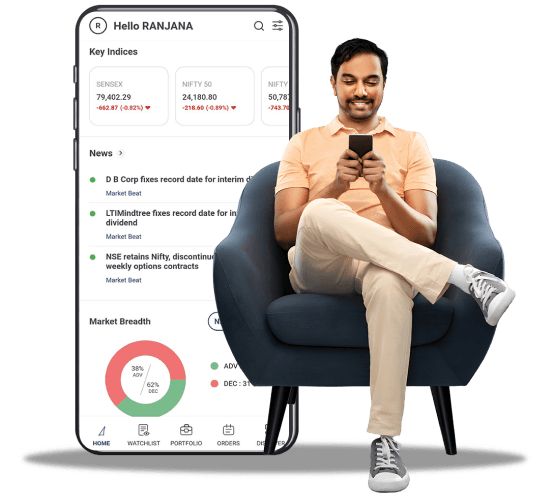
A Trading And Demat Account together allow you to buy, sell, and hold securities in electronic form. While the trading account is used to place buy or sell orders, the Demat account stores your securities safely. Choosing the right provider requires checking fees, service quality, security measures, and account features. This explains the key points you should review before making your decision.
Understand What a Demat Account Does
A Demat account, short for dematerialized account, holds financial securities in digital form. Instead of physical share certificates, your investments are credited electronically. This reduces paperwork and lowers the risk of loss or damage.
When you open a Demat account, your securities are maintained through depositories like National Securities Depository Limited and Central Depository Services Limited. These institutions ensure safe holding and transfer of securities.
Before opening an account, understand:
- The difference between a Demat and trading account
- How transactions are settled
- How shares are credited and debited
A clear understanding will help you manage your investments confidently.
Compare Account Opening and Maintenance Charges
Charges play a major role when selecting a service provider. Even small fees can impact returns over time.
Account Opening Fees
Some providers charge a one-time account opening fee, while others may offer free account setup. Always confirm whether the free offer includes all mandatory charges or only basic registration.
Annual Maintenance Charges (AMC)
Most Demat accounts have an annual maintenance charge. Check the AMC structure carefully. Some providers waive AMC for the first year and apply charges later.
Transaction Charges
Each time you sell shares, a debit transaction fee may apply. These charges vary between providers. When you open Demat account, ask for a clear list of all transaction-related costs.
If you plan to actively trade, understanding the combined cost of a trading and demat account is essential.
Evaluate Brokerage and Trading Costs
A Trading And Demat Account usually works together. While the Demat account stores securities, the trading account allows you to execute transactions in the stock market.
Check:
- Brokerage charges per trade
- Flat fee or percentage-based model
- Intraday and delivery charges
- Additional platform fees
Frequent traders should focus on competitive brokerage rates, while long-term investors may prioritize low maintenance costs.
Check the User Interface and Platform Access
A simple and stable trading platform can make investment management easier. Before choosing a provider:
- Test the mobile and web platform
- Review order placement options
- Check portfolio tracking features
- Verify access to statements and reports
A smooth platform ensures that when you open Demat account, you can monitor your investments without confusion.
Look at Customer Support Quality
Customer service is often ignored until a problem occurs. Reliable support becomes important when dealing with fund transfers, settlement issues, or corporate actions.
Check:
- Availability of phone and email support
- Response time
- Resolution process
- Branch support if required
A responsive support system adds confidence to your investment journey.
Verify Security and Regulatory Compliance
Security should be a priority when handling financial assets. Confirm that the provider follows proper security practices.
Look for:
- Two-factor authentication
- Secure login process
- Timely transaction alerts
- Clear privacy policies
Your Demat account should be registered with recognized depositories and follow regulatory guidelines. When you open Demat account, ensure that your account is linked correctly to avoid settlement issues.
Understand Account Linking Requirements
To operate a Trading And Demat Account, you need:
- A bank account for fund transfers
- PAN card
- Aadhaar for verification
- KYC documentation
Check whether the provider offers a seamless linking process. A properly linked account ensures smooth transfer of funds and securities.
Review Additional Services
Some providers offer research reports, educational materials, or margin facilities. While these can be useful, focus first on core services.
Before you open Demat account, ask:
- Are there hidden charges for additional services?
- Is research optional or mandatory?
- Are there inactivity penalties?
Choosing only what you need helps control costs.
Check the Account Closure Process
It is wise to understand the exit process before opening an account. If you wish to close or transfer your account later:
- Is there a closure fee?
- How long does the transfer process take?
- Are there transfer-out charges?
A transparent closure process ensures flexibility.
Assess Nomination and Joint Account Options
Nomination allows your investments to be transferred to a chosen person in case of unforeseen events. Confirm whether nomination is simple and free.
If you plan to invest with family members, check joint account rules and required documentation before you open Demat account.
Understand Tax Reporting and Statements
Your provider should give clear and accurate statements for tax filing purposes. These may include:
- Capital gains statements
- Transaction history
- Dividend records
Easy access to tax documents simplifies annual compliance.
Check Corporate Action Handling
Corporate actions such as dividends, bonus shares, and stock splits should reflect automatically in your account. Confirm that the provider updates holdings correctly and sends proper notifications.
When your Trading And Demat Account is properly managed, corporate benefits are credited without delay.
Conclusion
Opening a Demat account is an important step in your investment journey. Taking time to review charges, platform quality, customer support, security, and compliance can prevent future complications. Before you Open Demat Account, compare providers carefully and request complete fee details.
A well-managed Trading And Demat Account allows you to buy, sell, and hold securities with ease. However, choosing the right service provider requires attention to detail. From account maintenance charges to transaction fees and regulatory compliance, every factor matters.
When you open a Demat account after thorough evaluation, you create a strong foundation for disciplined investing. A reliable trading and demat account not only safeguards your investments but also ensures smooth transactions in the long term. Careful selection today can support steady financial growth tomorrow.